Personal luxury interior renovation today begins with intention. It shows up in the way a space is planned rather than announced, rooms shaped carefully, materials chosen with consistency, and layouts refined to support everyday life. The most compelling interiors are defined by how clearly they are thought through. What lingers is a sense of integrity, not immediacy. Each decision in personal design is made deliberately, with an eye toward the whole rather than the moment. Luxury, in this context, feels quieter, expressed through judgment, restraint, and choices that continue to make sense over time.
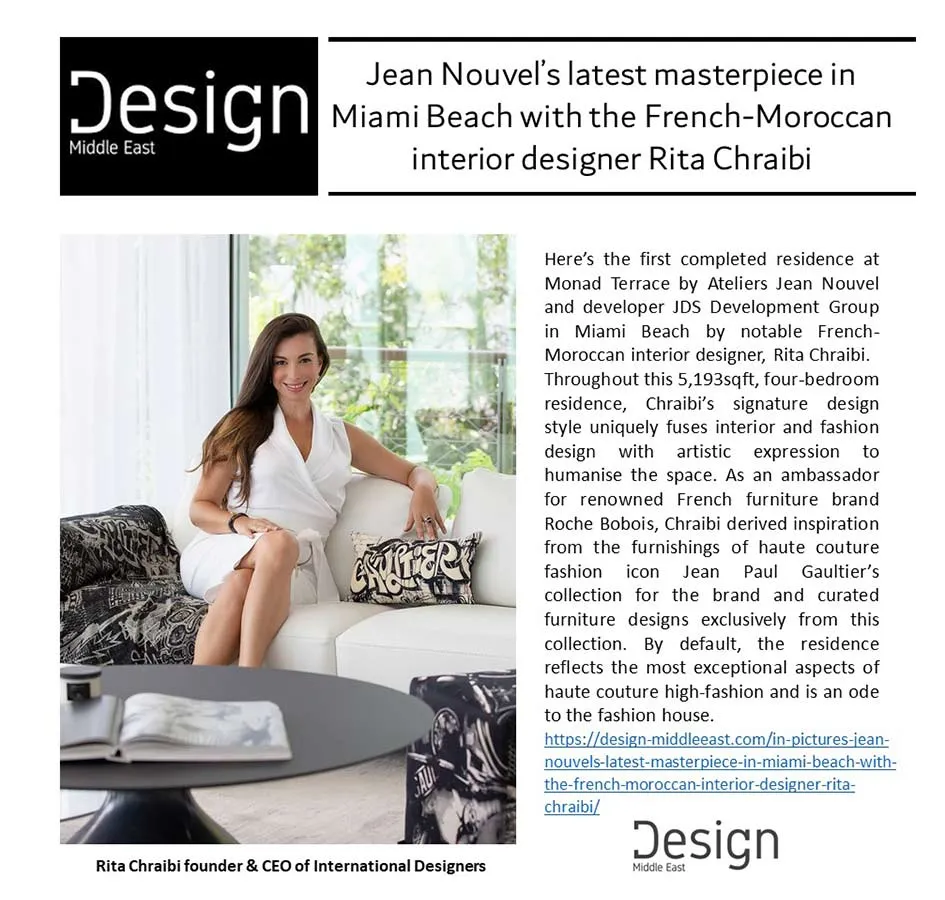
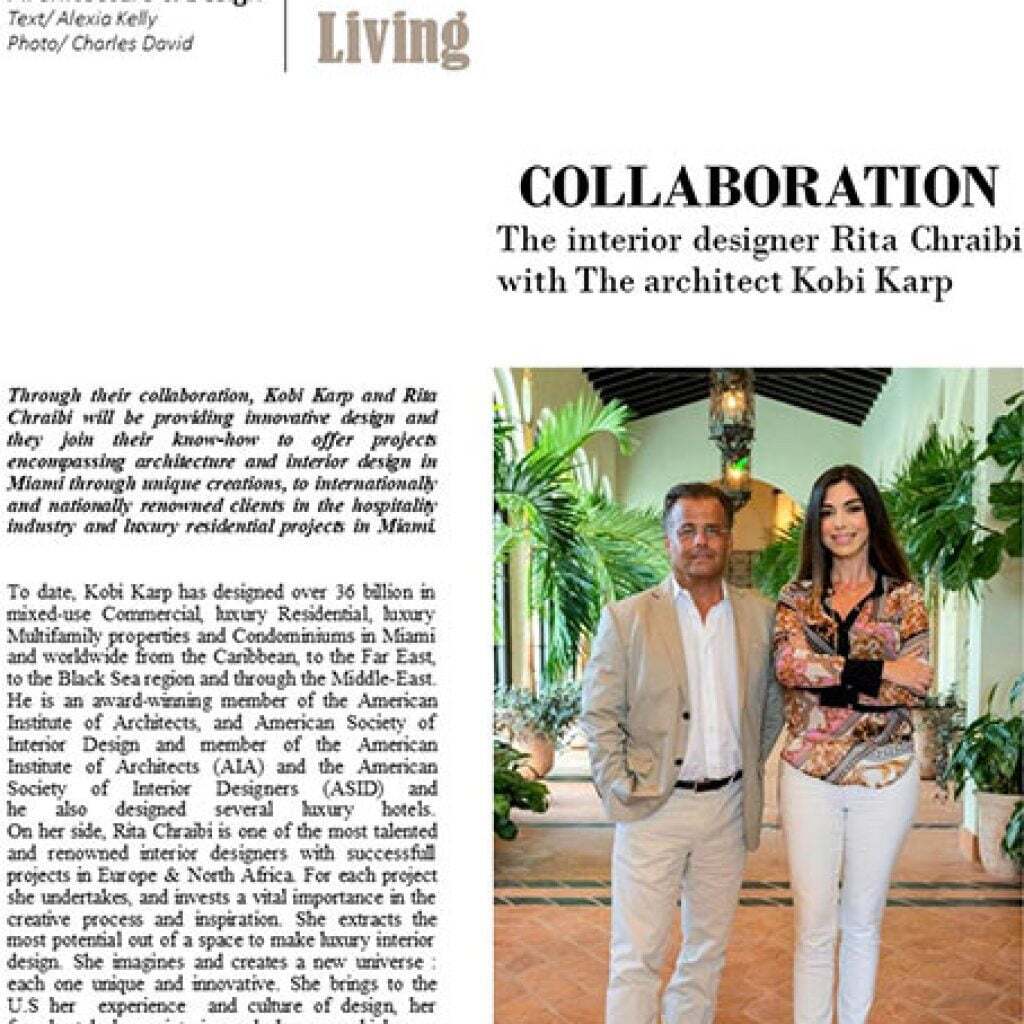
For renowned luxury interior designer Rita Chraibi, founder of International Designers, personal design is a key aspect of high-end home renovation. Across projects developed between France, Miami, and New York, Rita Chraibi’s work reflects a practice informed by cultural fluency and architectural awareness. Each residence is approached as a specific condition – shaped by place, structure, and daily rhythm, rather than as a repeatable aesthetic. The design process remains attentive to nuance: how cities influence behavior, how homes absorb personal habits, and how interiors respond with quiet precision.
From Typology to Individual Logic
Luxury interiors were once shaped by typology, each carrying an expected visual language. Personal design shifts the focus toward individual logic. Plans evolve from lived patterns: how space is occupied, how privacy is negotiated, how formal and informal moments intersect. Rather than responding to a category, renovation responds to use. Luxury is expressed through relevance, rooms functioning precisely as intended, without excess or explanation.
Spaces for Continuity and Memory
Within personally designed homes, there is often a space that resists reinvention. A corner left intentionally intact. A room shaped around a shared ritual. A setting that holds family presence without requiring explanation. Photographs, inherited objects, or familiar furniture are integrated through placement rather than display, allowing personal history to exist within the architecture without sentimentality. Such spaces affirm that renovation is about holding the past, present, and future in quiet balance.
Furniture as Spatial Character
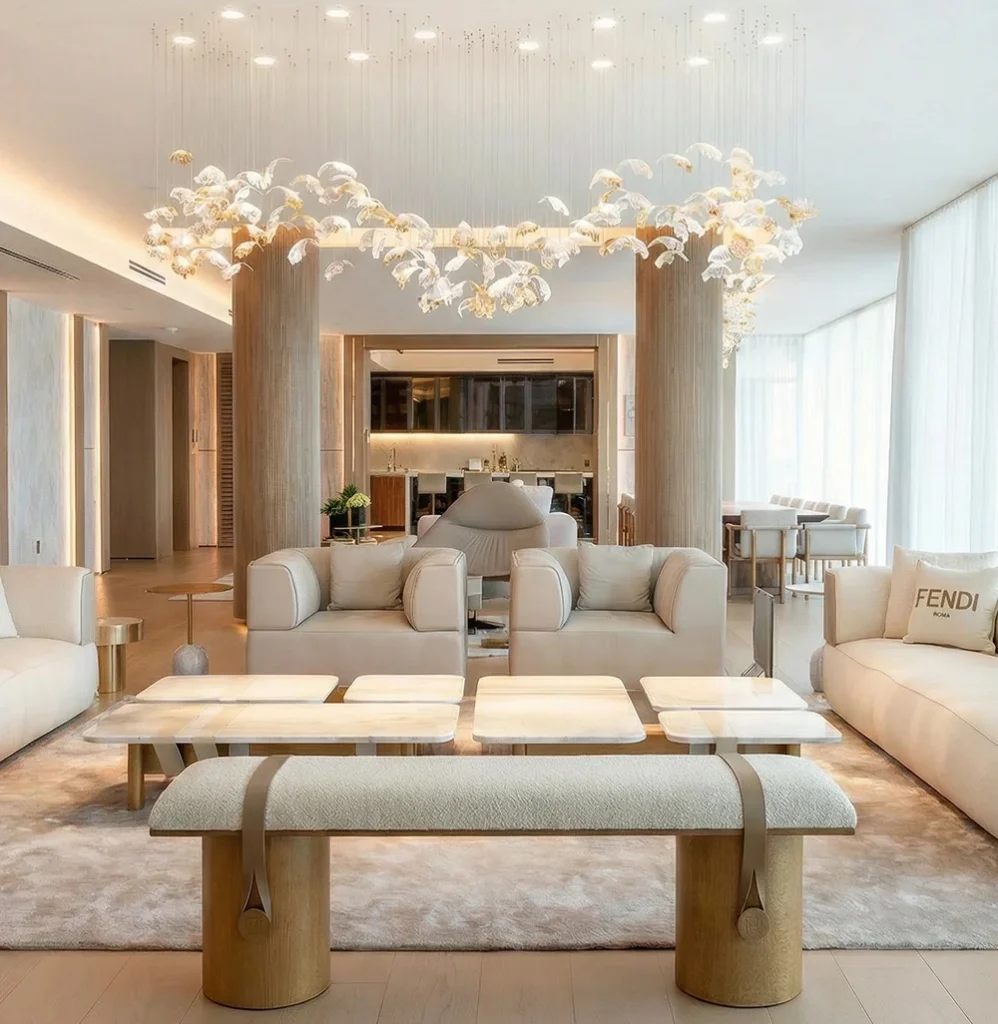
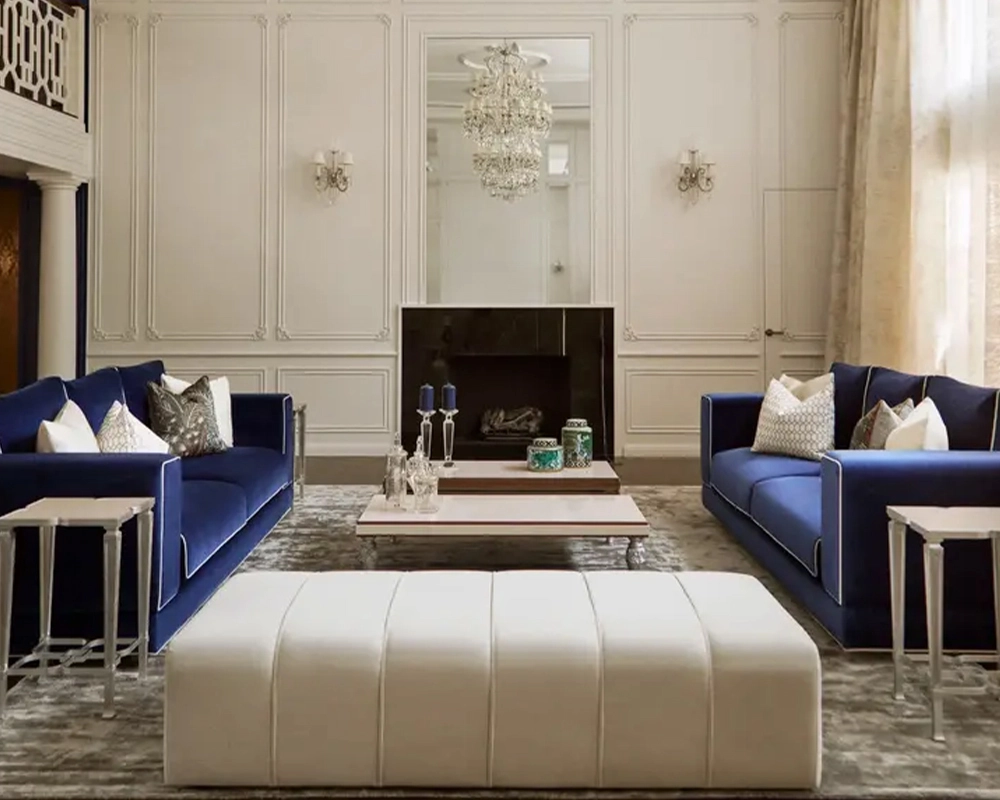
In personally designed interiors, furniture is not selected to complete a room, but to give it character. It is chosen to shape the mood of a space, not simply to fill it. Each piece is selected for how it feels within the room, how it balances scale, creates movement, or brings a sense of calm. Contrast is welcomed. A contemporary table may sit alongside a more classical form; a sculptural chair may offset architectural restraint. What matters is presence, not uniformity, allowing the interior to feel layered, lived-in, and intentional.
Art as Placement, Not Display
Artwork in high-end residential interiors is not used to animate space, but to anchor it. Paintings, objects, and inherited works are introduced with consideration for scale, pause, and context. A single piece may define an entire wall; a small work may be positioned where movement slows. In this approach, art does not decorate the interior; it contributes to the home’s identity without overwhelming it.
The Role of Time in Luxury Interior Renovation
Time has become an essential material in high-end renovation. Projects shaped by personal design unfold through testing, revision, and measured pause. Details are refined. Alignments clarified. Relationships between elements are allowed to settle. This patience creates interiors that feel settled and lasting, where luxury is expressed not through novelty, but through confidence and enduring quality.
Luxury Interior Renovation Reconsidered
Personal design does not redefine luxury by rejecting its foundations, but by refining its meaning. Luxury is found in precision, in restraint sustained over time, in spaces that feel resolved and accurate. High-end renovation, approached personally, produces interiors that invite attention without demanding it, designed once, carried through fully, and allowed to endure.
Personal Design in Luxury Interior Design Renovation by International DesignersWithin the work of International Designers, personal design emerges as a disciplined way of thinking rather than an expressive gesture. Shaped by cross-cultural practice and long engagement with architecture, these interiors are developed through judgment, proportion, and continuity. As a luxury interior designer in Miami, New York, Paris, and other locations, Rita Chraibi extends this philosophy across contexts, ensuring every renovation feels both rooted in place and consistent in intent. Luxury renovation is treated as an authored whole, where identity is embedded through alignment rather than assertion. Here, luxury is defined by precision: spaces designed to endure, to resonate, and to remain quietly relevant over time.