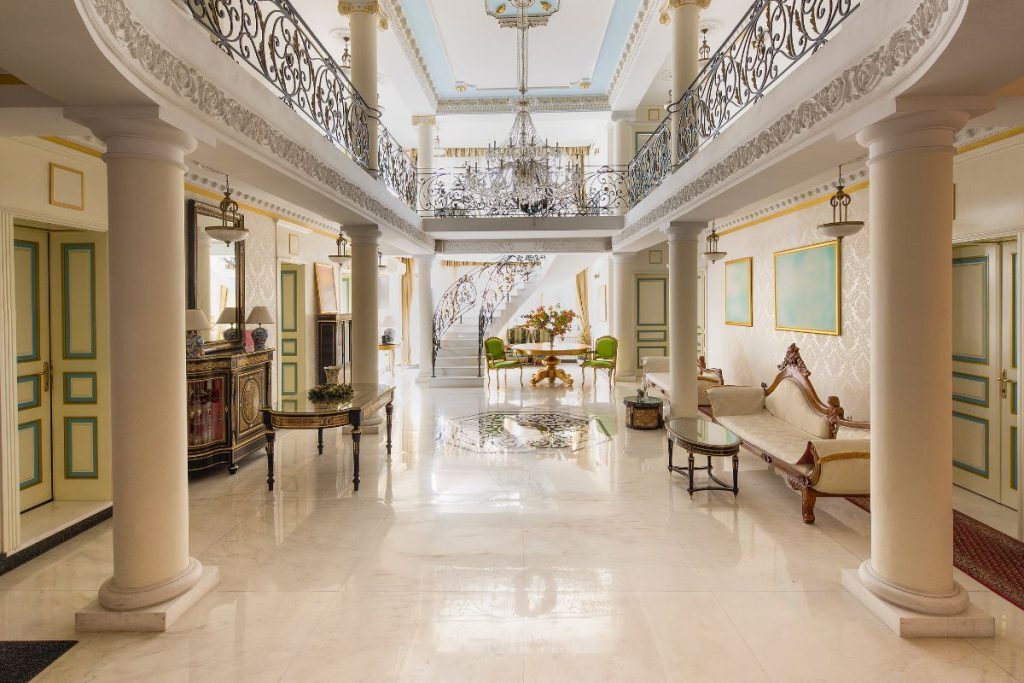
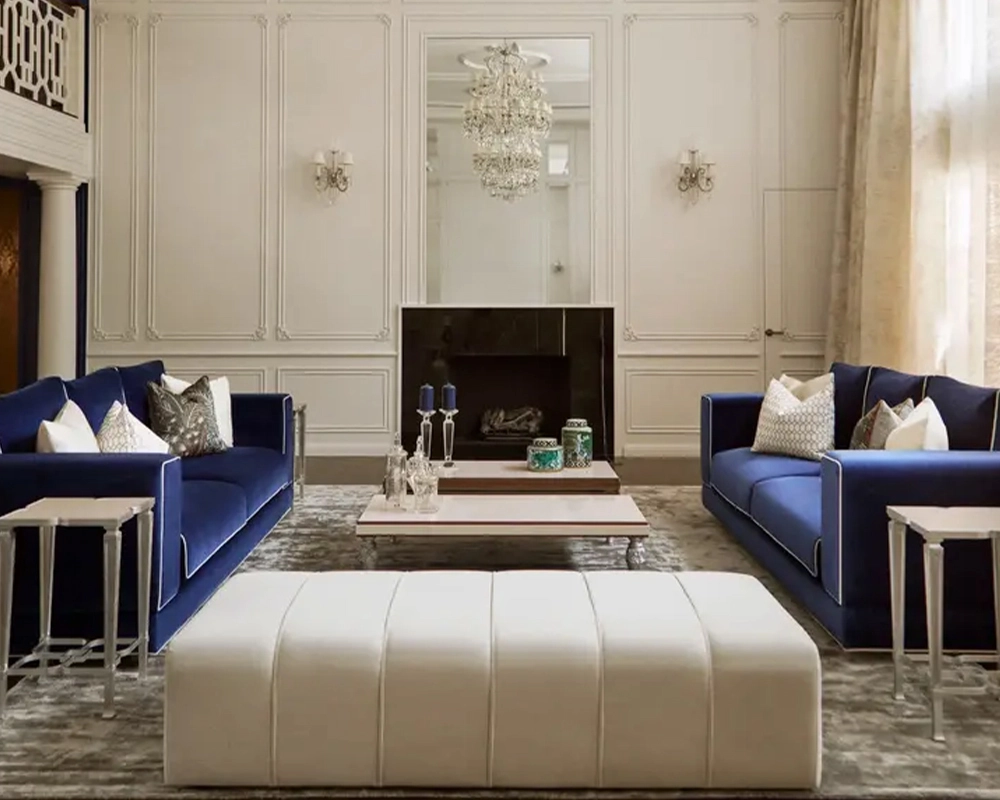
There are places where architecture is expected to hold its ground with quiet confidence. Greenwich is one of them. Here, houses are shaped by endurance and judgment, defined by substance over display. Colonial Revival remains within this context because it offers a composed architectural language, one grounded in proportion, order, and a deep respect for time.
These homes reflect a sense of expectation, not aspiration. They are conceived to last. Their appeal lies in their ability to remain relevant without calling attention to themselves, allowing daily life, memory, and material to accumulate naturally. In this way, architecture becomes a steady backdrop for living, shaped as much by use as by design.
Renowned French luxury interior designer Rita Chraibi’s work reflects a parallel sensibility. Her approach to residential design is grounded in recalibration rather than reinvention, reading architecture closely and adjusting it to contemporary life with restraint. Working across Europe and the United States, she brings a cultural fluency that values proportion, rhythm, and lived experience. Spaces are adjusted with precision, allowing heritage homes to remain legible while accommodating modern life, quietly reinforcing the idea that true luxury is measured through longevity.
Why Colonial Revival Endures in Greenwich
Greenwich has long functioned as a cultural enclave, guided by inherited standards rather than changing tastes. Colonial Revival architecture aligns seamlessly with this mindset. It values permanence over expression and coherence more than excess. For homeowners who value legacy and constancy, the style offers a dependable architectural framework that supports tradition while allowing thoughtful change over time.
Architectural DNA: Proportion, Symmetry, and Order
At the heart of Colonial Revival architecture is a clear sense of order. Thoughtful planning guides movement through the home with ease, while balanced proportions create a feeling of calm. Rooms are arranged with purpose, public spaces open and welcoming, private areas more reserved. These principles shape everyday living, allowing the house to feel intuitive, comfortable, and enduring over time.
Interiors as Continuation, Not Decoration
Within well-considered Colonial Revival homes, interiors unfold as a continuation of the architecture itself. Walls, ceilings, and openings are treated as structural components, reinforcing balance and rhythm. Historical reference appears through proportion and detailing rather than overt quotation. Interior architecture leads, allowing rooms to feel resolved and purposeful. The atmosphere remains composed and supports continuance.
Unearthing the Charm of Colonial Revival
Across the American landscape, Colonial Revival homes are immediately recognizable for their composure and clarity. Rectangular forms, centered entryways, and evenly spaced windows establish calm, measured façades. Gabled roofs, often articulated with dormers, introduce rhythm and scale, while classical door surrounds lend ceremony without excess. Multi-pane sash windows structure elevations while allowing generous daylight within.
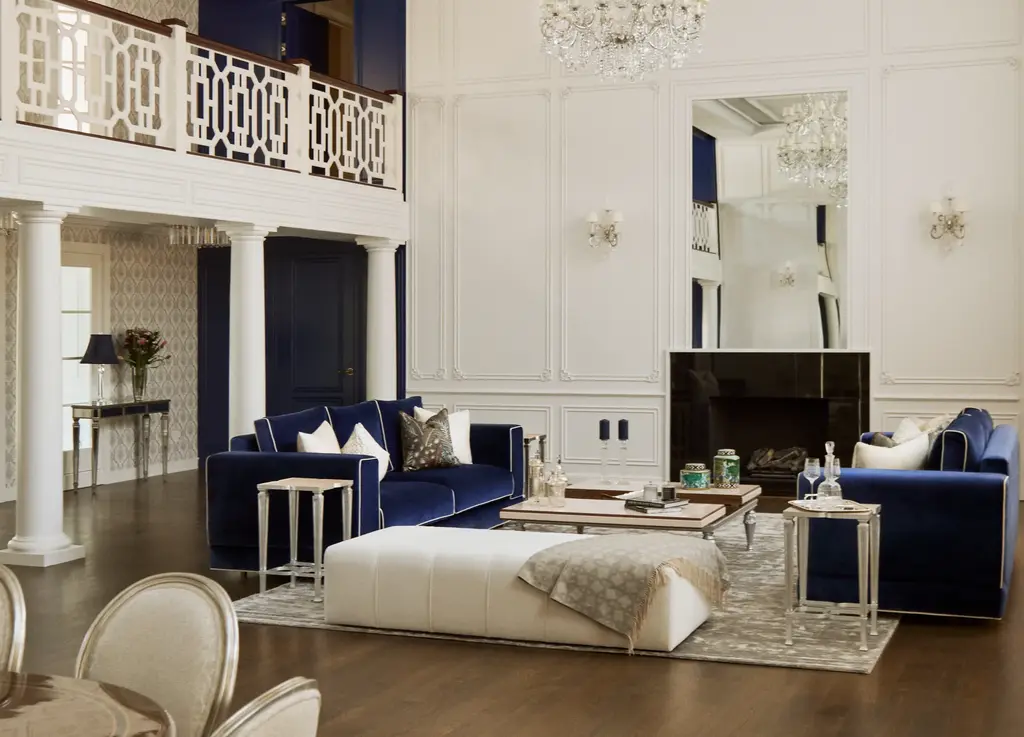
Material choices further anchor these homes in continuity. Brick, painted wood siding, and stone are selected for durability and familiarity, allowing residences to settle naturally into their settings. Together, these elements form an architectural language that feels long-lasting, rooted in history, while remaining adaptable.
Reinterpreting Heritage for Contemporary Living
With changing times and as living patterns evolve, Colonial Revival homes also slowly reinvent themselves. Kitchens are recalibrated to support new-age appliances while maintaining architectural balance. Primary suites gain spatial clarity and comfort, aligned with the original proportions of the house. Circulation improves through subtle realignments, thresholds refined, connections clarified. Technology integrates seamlessly, preserving visual calm while enhancing daily ease.
Custom Millwork & Interior Architecture
Millwork serves as a defining architectural element within Colonial Revival interiors. Built-ins, staircases, paneling, and ceiling treatments are conceived as structural features, anchoring rooms with weight and intention. Their scale is carefully calibrated to the house, reinforcing order and continuity. When executed with discipline, bespoke detailing gives spaces a sense of inevitability, as though each element belongs precisely where it stands.
Furniture, Art, and Curated Restraint
Furnishing such interiors calls for discernment. Antiques coexist with commissioned pieces and contemporary art; each is chosen for presence rather than period. The rooms evolve through thoughtful accumulation, allowing meaning to accrete. Objects converse across centuries and materials, adding texture to an atmosphere that feels layered, personal, and self-assured.
A Selection of Colonial Projects by Rita: Greenwich Luxury Homes
Colonial Revival continues to define Greenwich luxury through its quiet assurance. These homes demonstrate that lasting elegance emerges through consistency of thought and care, allowing architecture and interiors to support life across generations.Among them, a fully reimagined Greenwich Mansion reflects a design sensibility shaped by long-term living. Guided by the philosophy of Rita Chraibi, the project unveils a true architectural and artistic rebirth: a residence where bespoke interiors, sculptural elements, and tailored elegance come together in seamless harmony. The result is an interior environment that feels composed and coherent, which is meticulously crafted to reflect luxurious interiors.